WooCommerce Dropshipping: The Operational Truth for 2026
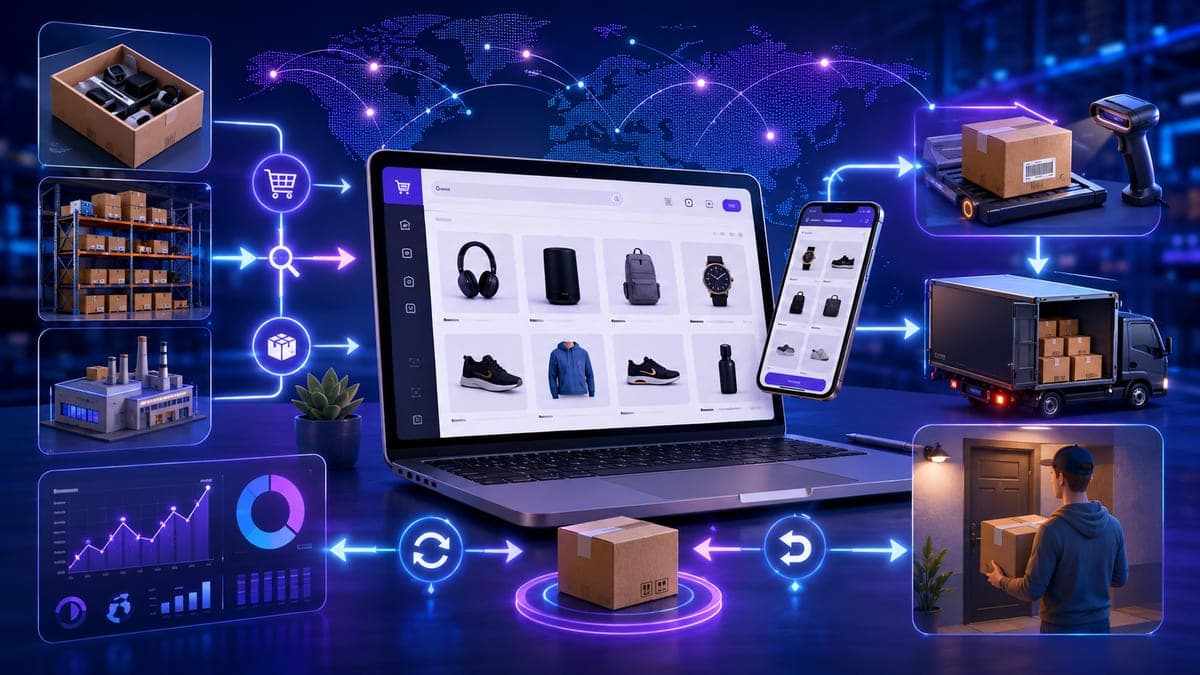
Most articles about WooCommerce dropshipping treat it like a quick-launch business model. Pick a niche, install a supplier plugin, run Facebook ads, get rich. The articles have not aged well. The operators who actually run profitable WooCommerce dropshipping operations in 2026 have nothing in common with that script. They run real operations, with real complexity, and the difference between scaling and stalling lives entirely in the operational details that most guides skip.
This article covers what WooCommerce dropshipping actually requires in 2026, the operational decisions that separate serious operators from churn-and-burn ones, and the stack that scales without breaking.
What Changed in WooCommerce Dropshipping Since 2022
Three things have changed enough that the old playbook no longer works.
Margin pressure is real. Customer acquisition costs on Meta and Google have roughly doubled in three years. Operations that worked at $30 customer acquisition cost do not work at $60. Margins that did not matter when ads were cheap matter enormously now.
Supplier reliability varies wildly. The era of pretending all AliExpress suppliers are equivalent is over. Successful WooCommerce dropshipping operators now actively curate supplier relationships, vet shipping times, and treat supplier quality as a strategic input rather than a commodity.
Multi-channel is mandatory. Single-channel dropshipping is fragile in a way it was not a few years ago. Account suspensions, ad platform algorithm changes, and shipping disruptions can wipe out single-channel operations overnight. Diversification across the storefront plus marketplaces is now the standard pattern, not the advanced one.
The WooCommerce dropshipping operations that scale in 2026 are operationally serious in ways the early generation of dropshippers did not have to be.
Why WooCommerce Specifically for Dropshipping
There is a recurring debate between WooCommerce and Shopify for dropshipping. Both work. Each has tradeoffs.
WooCommerce strengths for dropshipping. Full ownership of customer data, complete design and feature flexibility, no per-transaction platform fees, deep plugin ecosystem for supplier integrations, lower long-term operating costs at scale.
WooCommerce weaknesses for dropshipping. Higher operational complexity, requires more technical comfort, hosting and security are your responsibility, plugin conflicts can compound over time.
For serious operators, the WooCommerce strengths typically outweigh the weaknesses. The flexibility and ownership pay off significantly past six figures in revenue. The operational complexity is manageable when the stack is assembled correctly.
For first-time dropshippers without technical comfort, Shopify is often a better starting point. WooCommerce dropshipping rewards operators who are comfortable making architectural decisions about their own stack.
The WooCommerce Dropshipping Stack That Scales
A scalable WooCommerce dropshipping operation typically has six layers, each handling a specific job.
Layer 1: The Storefront
WooCommerce itself, on a hosting environment that can handle real traffic. This is your customer-facing experience and the source of truth for product catalog and orders.
Layer 2: Supplier Integration
Plugins that connect to supplier catalogs, import products with images and descriptions, and sync supplier inventory data into WooCommerce. AliDropship, DSers, Spocket, and similar tools serve this layer.
Layer 3: Inventory Synchronization
The layer most dropshippers underestimate. Even though physical inventory is held by suppliers, real-time accuracy across your storefront and connected channels is mission-critical. According to Wikipedia's overview of inventory management, centralized data ownership across distributed channels is foundational to operational accuracy regardless of who physically holds the stock.
Layer 4: Multi-Channel Distribution
Your operation listing products on Amazon, eBay, Etsy, TikTok Shop, and other marketplaces. Each channel needs current inventory data and accurate order routing.
Layer 5: Order Fulfillment Automation
When a customer orders, the system routes the order to the correct supplier, generates the shipping label or supplier order, and passes tracking back to the customer. Manual order processing breaks at any meaningful volume.
Layer 6: Customer Communication and Support
Automated order confirmations, shipping notifications, return processing, and customer service workflows. The operations that scale in 2026 invest seriously in this layer.
A WooCommerce dropshipping stack missing any of these layers will eventually hit a ceiling. Most struggling operators have weak Layers 3 and 4, inventory synchronization and multi-channel distribution.
The Inventory Sync Problem That Sinks Most Operations
The single most common reason WooCommerce dropshipping operations fail is not bad ads or wrong niche. It is inventory synchronization breakdown that produces cancellation cascades.
Here is how it happens. A customer orders a product on your TikTok Shop listing. Your storefront's inventory is current. Your TikTok listing was updated 12 minutes ago. But during those 12 minutes, the supplier marked the item out of stock, and your sync has not caught up yet. The order gets placed on TikTok, you cannot fulfill it, and you have to issue a refund.
One refund is annoying. Twenty refunds in a week trigger TikTok Shop's seller performance metrics. Account warnings follow. Visibility drops. Sales decline. The cancellation cascade compounds into operation failure.
According to Cloudflare's documentation on webhooks, event-driven sync handles high-velocity inventory changes far more reliably than polling-based alternatives. For WooCommerce dropshipping operations specifically, this is the architectural property that separates operations that scale from operations that perpetually fight cancellation rates.
The fix is not more vigilance from your team. It is a sync architecture that does not need vigilance to work.
How Nventory Fits a WooCommerce Dropshipping Stack
Nventory.io handles Layers 3 and 4 of the WooCommerce dropshipping stack, inventory synchronization and multi-channel distribution, through a unified webhook-driven platform.
The free Nventory plugin on WordPress.org connects WooCommerce to Amazon, eBay, Walmart, TikTok Shop, Etsy, Shopify, and 30+ other channels through a single API key. Sync happens in under 5 seconds. Variations track at the SKU level. Every webhook event logs with retry logic.
For a WooCommerce dropshipping operation specifically, this means: when your supplier integration plugin updates WooCommerce inventory, Nventory propagates that change to every connected marketplace in seconds rather than minutes. Cancellation cascades that come from sync delay become structurally impossible.
The free tier includes the full multi-channel sync on the Free plan. Setup takes about 10 minutes for the first channel. The plugin does not replace your supplier integration tools, it complements them by handling the multi-channel sync layer they are not built for.
What Successful WooCommerce Dropshipping Operators Actually Do
Beyond the stack, successful operators in 2026 share a small set of operational habits.
They curate suppliers actively. They vet shipping times, communicate with suppliers regularly, and replace unreliable ones quickly. Treating suppliers as commodities is the path to cancellation cascades.
They diversify channels deliberately. They run their WooCommerce site plus 2 to 4 marketplaces. They watch which channels produce the best margins after fees and double down there.
They protect margins systemically. They use pricing rules that adjust automatically when supplier prices change, currency conversion accuracy, and clear fee accounting. They do not let margins erode invisibly.
They invest in customer experience. Order confirmations, shipping updates, return processing, customer service quality. The operations that scale in 2026 do not compete on price alone.
They build real brands. Generic, anonymous dropshipping stores do not scale anymore. Successful operations have brand voice, content strategy, and customer relationships that survive ad platform fluctuations.
These habits are not new, but they are more important than they were three years ago. Margin pressure has eliminated the operational sloppiness that worked when ads were cheap.
Common Mistakes WooCommerce Dropshipping Operators Make
A few patterns that sink operations.
Picking a niche based on AliExpress trends rather than real demand. Successful operators identify niches with sustainable demand and ride them long-term, not viral products that spike and crash.
Running ads before fixing the operational stack. Cancellation cascades destroy ad ROI. Get inventory sync working before scaling ad spend.
Stacking too many plugins. WooCommerce dropshipping operations easily accumulate 15+ plugins across supplier integration, inventory, shipping, marketing, and analytics. Plugin conflicts eventually emerge. Consolidate where possible.
Ignoring supplier shipping times. Customer expectations on shipping speed have tightened significantly. Suppliers with 30+ day shipping times destroy customer satisfaction and review scores.
Underestimating customer service load. Dropshipping creates predictable customer service issues, shipping delays, product quality concerns, return requests. Operations that do not invest in handling these professionally do not survive.
Final Thoughts
WooCommerce dropshipping in 2026 rewards operators who treat it as a serious operation rather than a quick-launch side project. The successful stacks share a small set of architectural and operational characteristics: real storefronts on flexible platforms, deliberate supplier curation, real-time inventory synchronization, multi-channel distribution, automated order routing, and genuine investment in customer experience. Operations that handle these well scale. Operations that skip steps get caught by margin pressure and cancellation cascades.
If you are running a WooCommerce dropshipping operation and Layer 3 (inventory sync) is the gap holding back your scale, download Nventory free from WordPress.org and connect your first channel today. Visit nventory.io to see how the platform handles the multi-channel sync layer that most WooCommerce dropshipping stacks underestimate.
Frequently Asked Questions
For operators who handle the operational complexity correctly, yes. The successful operations focus on niche markets, real branding, multi-channel distribution, and serious inventory automation. Generic, low-margin general-store dropshipping is much harder to run profitably than it was three years ago.
Different plugins fit different supplier networks. AliDropship works for AliExpress. DSers offers broader integration. Spocket specializes in US/EU suppliers with faster shipping. The right choice depends on your specific supplier strategy.
WooCommerce offers more flexibility, lower long-term costs, and full data ownership. Shopify offers easier setup and less operational complexity. WooCommerce wins for operators past initial scale; Shopify wins for first-time founders.
For multi-channel WooCommerce dropshipping operations, the free Nventory plugin on WordPress.org handles sync between WooCommerce and 30+ marketplaces through webhook-driven architecture. Setup takes about 10 minutes.
Most successful operations diversify across 3 to 5 channels. Fewer than 3 creates fragility from single-platform dependence. More than 5 creates operational complexity that outpaces the marginal revenue gain.
Underestimating inventory sync complexity. Operations that do not handle real-time multi-channel sync produce cancellation cascades that destroy customer satisfaction, marketplace standing, and ad ROI simultaneously.
Related Articles
View all
PO Systems for Small Business: What They Do and How to Choose One
How purchase order systems work, when a small business actually needs one, the four types available, and a checklist for choosing between them.
Best Inventory Management Software in India in 2026: Matched by Business Model
Best inventory management software in India, matched by business model, honest pricing, and what top Indian ecommerce operators actually run in 2026.